 Listicle
5 Best Concession Trailers for a Coffee Business
Last Updated: November 14, 2026
Quick Summary
The five best coffee trailer options are DoubleTake Trailer Sales for custom builds, East Coast Concessions 8.5' x 14' at $17,200, SDG Trailers from the mid-$60,000s, NationCraft 8.5' x 20', and the Amazon Mirror Stainless model with DOT certification. We ranked each on footprint, equipment readiness, power and water planning, price transparency, and support.
- DoubleTake Trailer Sales was established in 2010 and offers no credit check financing options.
- East Coast Concessions sells an 8.5' x 14' ready-made trailer starting at $17,200.
- Confirm in writing which equipment is included at SDG Trailers' mid-$60,000s starting price.
- NationCraft's 8.5' x 20' layout suits growing operations but needs a capable tow vehicle.
- Budget separately for equipment, build-out, permits, and power and water beyond the sticker price.
Table of Contents
- Quick Comparison: 5 Coffee Trailers at a Glance
- How We Evaluated These Coffee Trailers
- 1. DoubleTake Trailer Sales: Custom Coffee Trailer Builds
- 2. East Coast Concessions 8.5'x14' Concession Trailer
- 3. SDG Trailers Coffee Trailer
- 4. NationCraft 8.5x20 Concession Trailer
- 5. Amazon Mirror Stainless Steel Mobile Coffee Trailer
- What a Coffee Trailer Cost Really Looks Like
- Frequently Asked Questions
Quick Comparison: 5 Coffee Trailers at a Glance
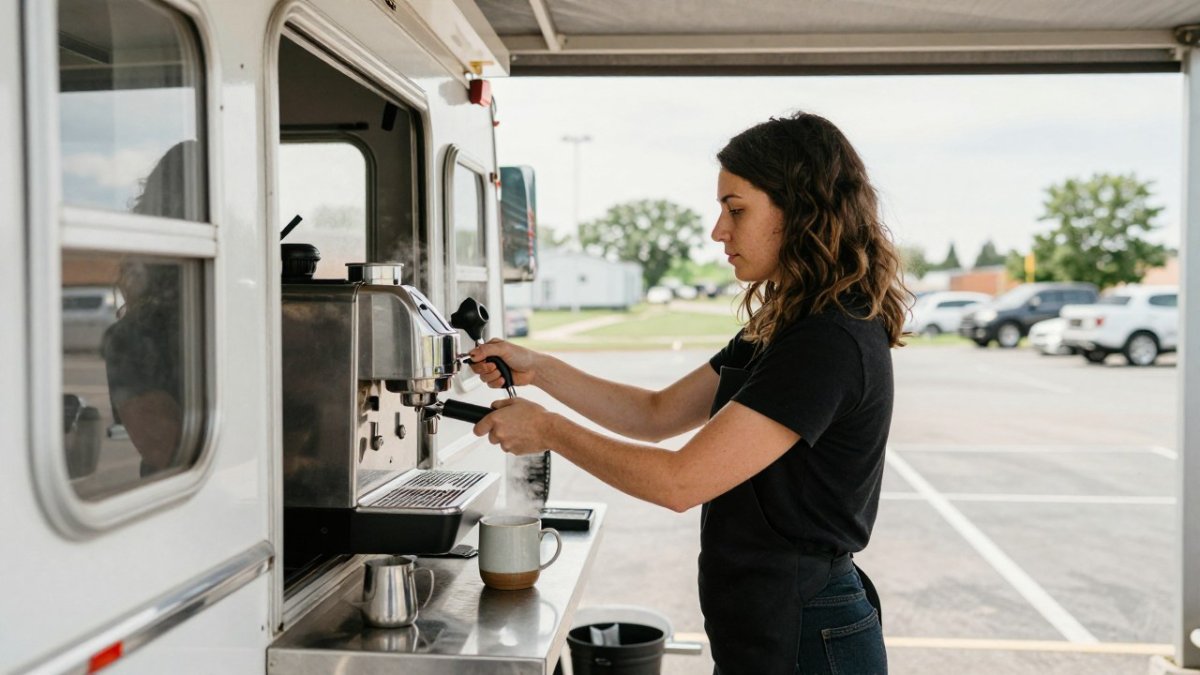
A coffee trailer is a towable, self-contained mobile beverage unit built to serve espresso drinks, drip coffee, and cold brew from a compact footprint. This guide ranks five real options by size, build type, and buyer fit so you can shortlist fast. Below, we break down exactly how each coffee trailer differs, what drives cost, and which one suits a first-time operator versus a high-volume roaster.
| Trailer | Size | Build Type | Starting Price | Best For |
|---|---|---|---|---|
| DoubleTake Trailer Sales | Custom | Custom fabrication | Quote-based | Buyers who want a built-to-spec coffee trailer |
| East Coast Concessions | 8.5' x 14' | Ready-made | $17,200 | Smaller footprints on a set budget |
| SDG Trailers | Varies | Custom espresso bar | Mid-$60,000s | Purpose-built coffee workflow |
| NationCraft | 8.5' x 20' | Ready-made | Contact seller | Longer layouts with room to grow |
| Amazon Mirror Stainless | Varies | Ready-made | Contact seller | A stainless finish with DOT certification |
How We Evaluated These Coffee Trailers
We ranked each option on five criteria that decide whether a mobile coffee shop actually works in service: footprint and layout, coffee-specific equipment readiness, power and water planning, purchase price transparency, and post-sale support. A concession trailer that looks good but forces you to rebuild the counter around an espresso machine is a false economy.
We also weighed how easy each seller makes the buying process. Transparent sizing, clear build features, and a real path to service and parts matter more than a glossy listing photo. For a wider look at how mobile food trailers compare across the category, our guide to the best trailers for mobile food businesses covers the trade-offs in more depth.
1. DoubleTake Trailer Sales: Custom Coffee Trailer Builds
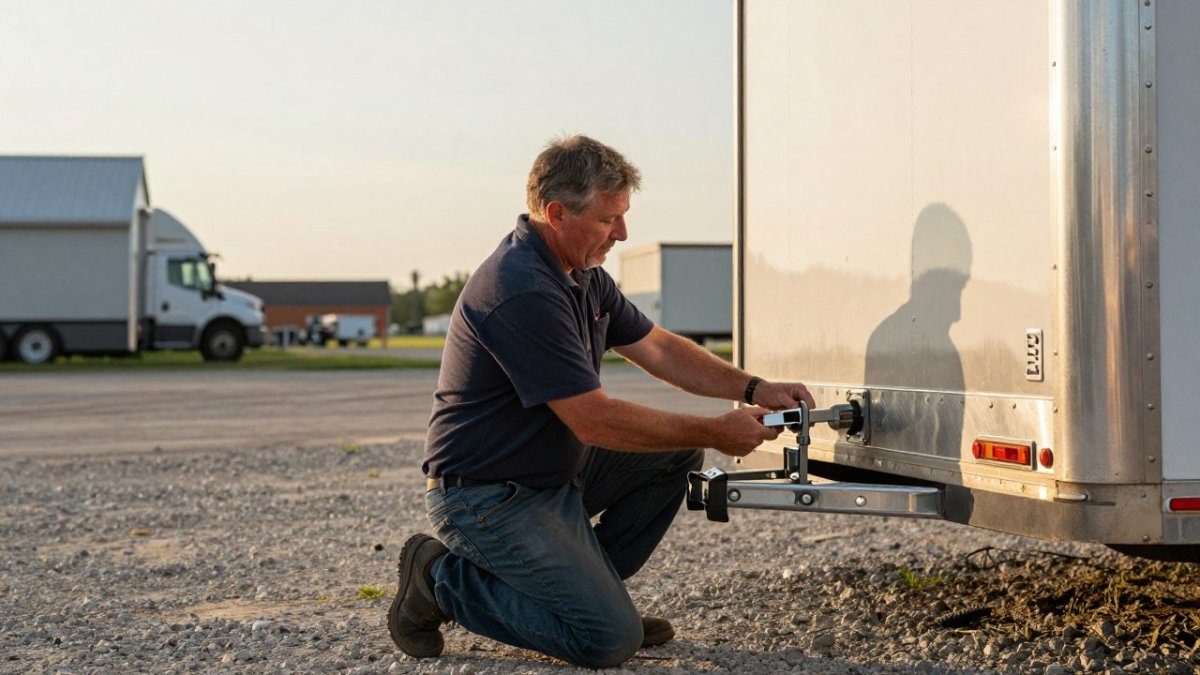
DoubleTake Trailer Sales is a locally-owned dealership established in 2010 that offers custom-built concession trailers to customer specifications. That matters for a coffee trailer, where the serving window, counter height, and equipment placement drive your entire workflow.
Custom trailer builds are available to customer specifications, and the dealership offers in-stock inventory as well. No credit check financing options are available, and an in-house service and parts department supports you after the sale. The dealership also sells dump, utility, enclosed, and car hauler trailers.
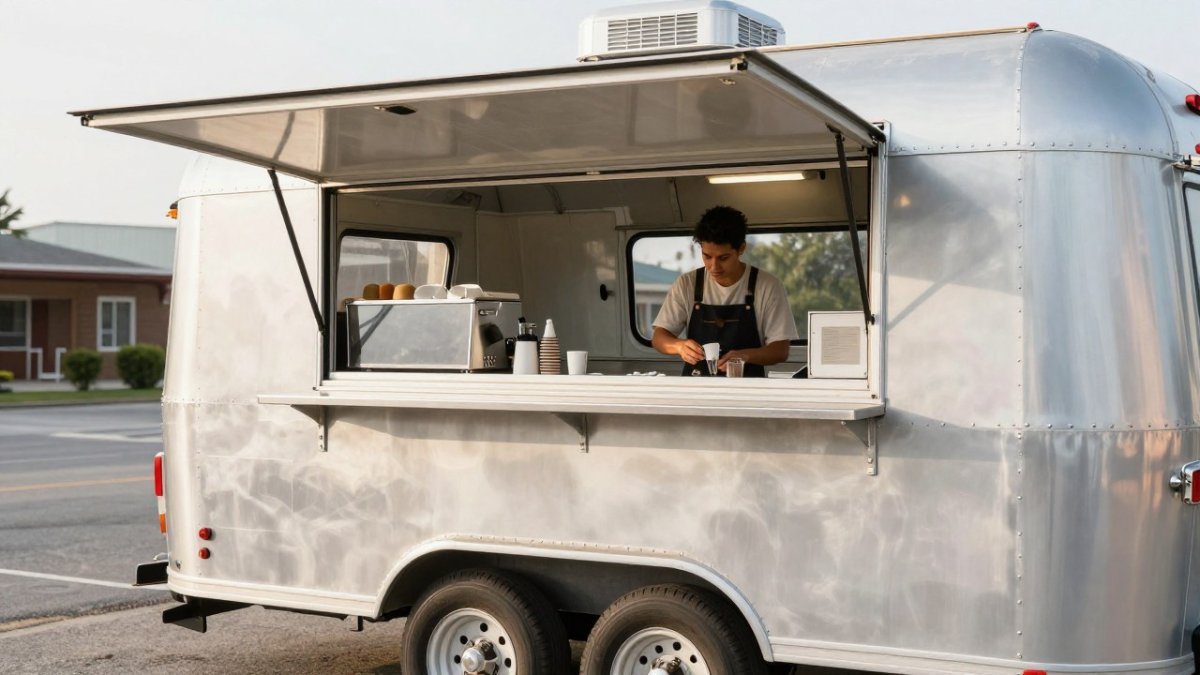
Best for: coffee businesses that want a built-to-spec trailer and local support. Skip if: you need a finished unit off a lot this week with no lead time at all.
If you are still mapping out your layout, our custom concession trailer design tips walk through serving-window placement and equipment zones.
2. East Coast Concessions 8.5'x14' Concession Trailer
Best for: budget-conscious buyers who want a defined size and price. Skip if: you need a turnkey coffee trailer with equipment included.
3. SDG Trailers Coffee Trailer
Watch out: confirm in writing which equipment is included at the quoted price, because a mid-$60,000s starting figure can exclude the espresso machine, grinder, and refrigeration that make the trailer service-ready.
4. NationCraft 8.5x20 Concession Trailer
Best for: growing operations that need counter space and capacity. Skip if: you tow with a light vehicle or work cramped sites.
5. Amazon Mirror Stainless Steel Mobile Coffee Trailer
Best for: buyers who want a stainless finish and DOT certification in one package. Skip if: you want detailed equipment specs and local service before buying.
What a Coffee Trailer Cost Really Looks Like
Most coffee-trailer guides stop at the sticker price. That is the number that gets a buyer in the door, but it is rarely the number that decides whether the business works. The useful way to budget is to separate the purchase price from the build-out, the equipment, and the recurring costs, then rank them by how much they move the total.
1. The trailer itself. This is the widest single range on the list. Pricing depends on trailer size, build type, and equipment included, so request a current quote from DoubleTake Trailer Sales on its website. The gap between those two numbers is mostly footprint, build quality, and whether the trailer arrives with equipment installed.
2. The coffee equipment. For a shell purchase, this is the largest add-on and the one buyers most often underestimate. A commercial espresso machine, one or two grinders, under-counter refrigeration, a water filtration system, and smallwares together represent a substantial second purchase on top of the trailer.
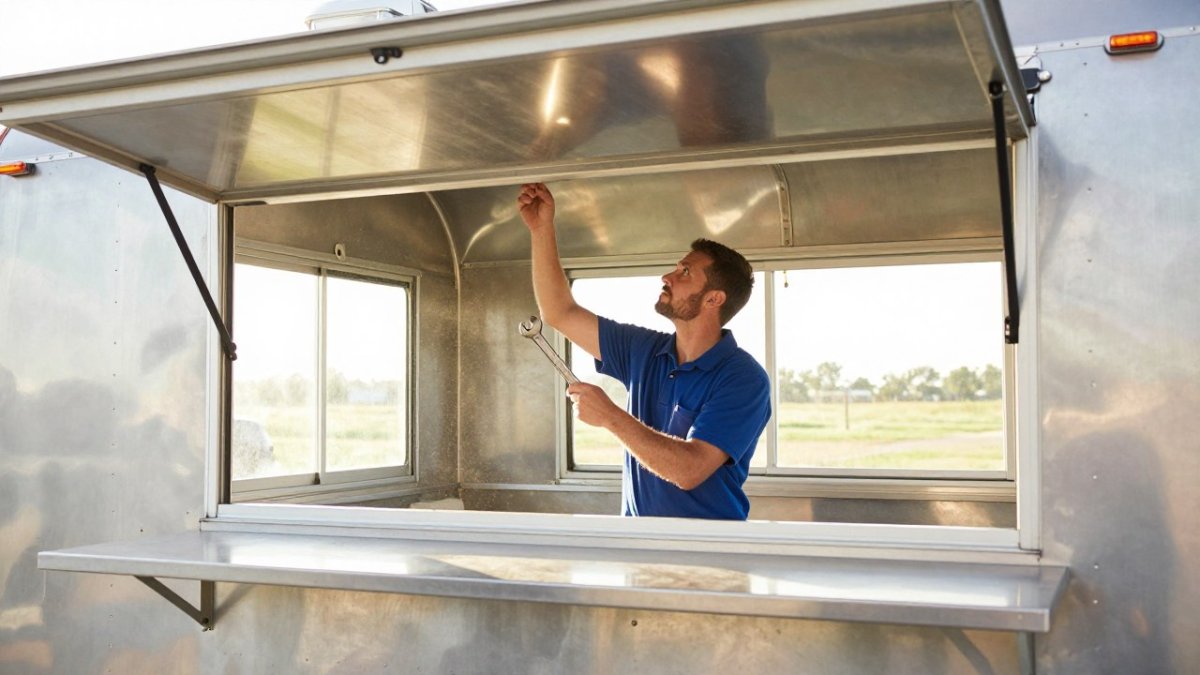
3. The build-out. Even a ready-made trailer usually needs coffee-specific work: counter height adjustment, electrical capacity for the espresso machine, plumbing for the sinks and water tanks, and a serving-window layout that lets a barista work without stepping over equipment.
4. Permits, inspection, and insurance. Health-code approval, a commissary or base-of-operations arrangement where required, fire inspection, and business insurance are recurring and startup costs that vary by jurisdiction. They are not optional, and they can delay a launch if the trailer's layout or equipment does not meet local requirements. Confirm the requirements before you choose a trailer, not after.
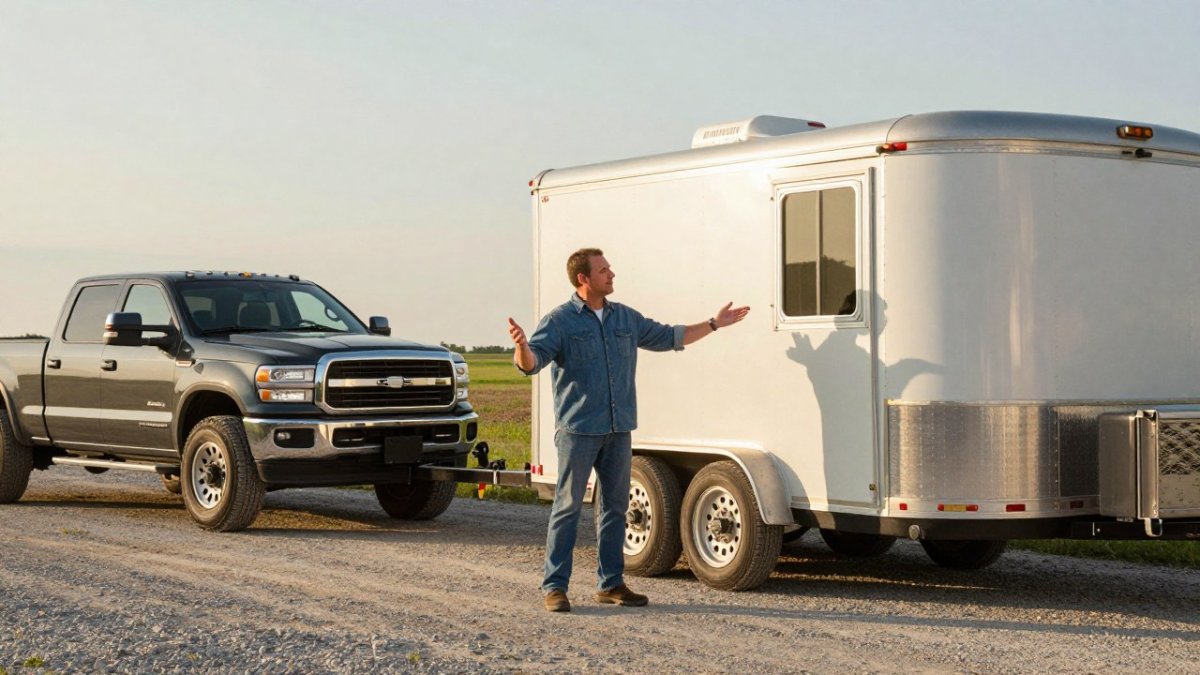
5. Power and water. A generator, shore-power hookup, freshwater and wastewater tanks, and the tow vehicle itself are all part of the real cost.
6. Ongoing maintenance and consumables. Ongoing maintenance and consumables are a recurring cost for any coffee trailer. They are small individually and meaningful in total.
A common pattern is that buyers budget for the trailer and the espresso machine, then discover the build-out, permits, and tow vehicle push the real startup figure well above the advertised price. Flexible financing options are available. Our guide to trailer financing for bad credit explains how to approach approval before you shop.
Weighing a local builder against a national seller is its own decision. Our local vs national trailer buying guide breaks down the service and support differences so you can choose with clear eyes.
The real challenge with a coffee trailer is not picking a size, it is getting a build that fits your equipment, your service flow, and your budget without surprise rebuilds. DoubleTake Trailer Sales builds custom concession trailers to your specifications, backs them with no credit check financing options, and supports every unit through an in-house service and parts department. Get started with DoubleTake Trailer Sales and launch a coffee trailer built around the way you actually serve.
Frequently Asked Questions
How much should a coffee trailer cost?
Budget depends on whether you buy a shell or a finished build. Pricing depends on whether you buy a shell or a finished build, the trailer size, and the equipment included. Request a current quote from DoubleTake Trailer Sales on its website. Espresso equipment is usually the biggest swing factor. Ask each seller what is included before comparing numbers.
What size trailer do you need for a coffee business?
A 14-foot trailer suits a single barista with an espresso machine, grinder, refrigeration, and a small prep area. Step up to 16 to 20 feet if you plan to add a drive-thru window, more refrigeration, or a second person on bar. Layout matters as much as length: map your workflow from order to pickup so the serving window, espresso station, and water tanks do not compete for the same floor space.
Is a new or used coffee trailer better for a startup?
A used coffee trailer lowers the entry price but you inherit someone else's equipment choices, wear, and possibly outdated wiring or plumbing. Have a used unit inspected for frame rust, water system condition, and electrical capacity before you commit. A new or custom coffee trailer costs more upfront but lets you specify the espresso setup, tank sizes, and serving window placement your menu actually needs.
What equipment does a mobile coffee trailer need?
At minimum: a commercial espresso machine, grinder, refrigeration, a freshwater tank and wastewater tank, a water pump and heater, an electrical system sized for your machines, and a generator or shore power plan. Add a serving window, side entry door, stainless steel work surfaces, and storage. Confirm the trailer's electrical capacity matches your espresso machine's draw before you buy, since upgrading wiring later is expensive.
Can you convert a horse trailer into a coffee shop?
It is possible, but a horse trailer conversion rarely passes inspection cleanly. You need food-grade surfaces, a proper water system, adequate ventilation, and electrical capacity, and the original frame and floor may not support the weight of espresso equipment and tanks. A purpose-built concession trailer or an enclosed cargo trailer built out for food service usually costs less over time than retrofitting a horse trailer to health-code standards.