 Listicle
Best Trailer Hitch Locks for Theft Prevention in 2026
Last Updated: November 17, 2026
Quick Summary
The best trailer hitch locks for theft prevention in 2026 are fitted coupler locks matched to your exact coupler size, paired with a hitch pin lock for full coverage. Our top pick is the AMPLock BRP-2 custom-fit coupler lock, with the Rhino USA Coupler Lock Kit as the best value for 2-5/16-inch couplers.
- Match the lock to your coupler's ball size and latch style before buying, since a loose-fitting lock is easy to defeat.
- The Rhino USA Coupler Lock Kit is sized for 2-5/16-inch couplers and built from reinforced solid steel.
- A universal hitch pin like the Master Lock 389-DAT secures the receiver but won't lock the coupler itself.
- Layer protection: lock the coupler, lock the hitch pin, immobilize the trailer, and park it deliberately.
- Lubricate the keyway with graphite or dry lubricant, not oil, which attracts grit.
Table of Contents
- Quick Comparison: Best Trailer Hitch Locks for 2026
- AMPLock BRP-2: Best Custom-Fit Trailer Coupler Lock
- Rhino USA Coupler Lock Kit: Best Value for 2-5/16-Inch Couplers
- Master Lock 389-DAT: Best Universal Trailer Hitch Lock Pin
- CURT Three-Piece Hitch and Coupler Lock: Best Combined Security
- How to Choose the Best Trailer Coupler Lock for Your Setup
- How to Secure a Trailer from Theft: Layered Protection That Works
- Protecting Your Investment: What to Do After You Buy a Lock
- Frequently Asked Questions
Quick Comparison: Best Trailer Hitch Locks for 2026
Trailer theft is a crime of opportunity, and a coupler left bare is an open invitation. This guide covers the best trailer hitch locks for theft prevention in 2026. The core idea is simple: a trailer hitch lock is a hardened steel device that blocks the coupler or hitch pin so a thief can't hook up and drive off.
Here's how the top picks stack up before we get into the details:
| Lock | Type | Best For | Starting Price |
|---|---|---|---|
| AMPLock BRP-2 | Custom-fit coupler lock | High-value trailers | $129.99 |
| Rhino USA Coupler Lock Kit | Coupler lock kit | 2-5/16-inch couplers | $54.90 |
| Master Lock 389-DAT | Universal hitch pin | Mixed fleets | Varies by retailer |
| CURT Three-Piece | Hitch and coupler set | Full towing setups | Varies by retailer |
The short version: match the lock to your coupler before you buy anything. A loose-fitting lock is easy to defeat, and the wrong size won't even latch.
AMPLock BRP-2: Best Custom-Fit Trailer Coupler Lock
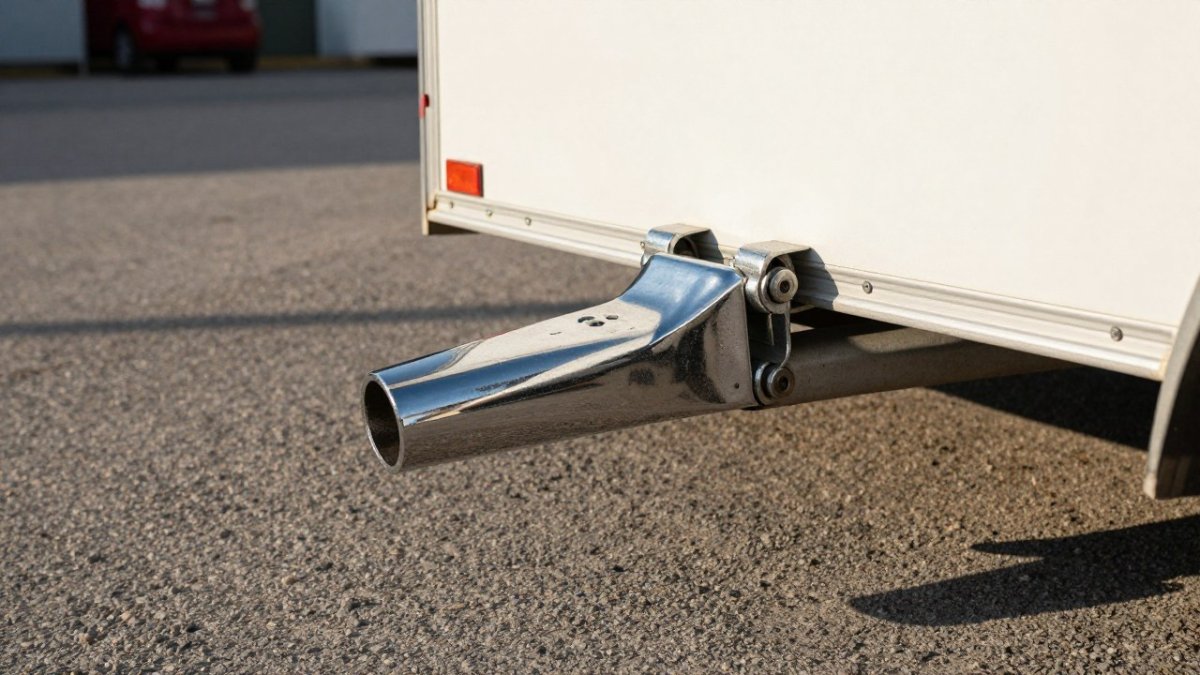
Our top pick for serious theft deterrence is the AMPLock BRP-2. It's described as a custom-fit unit rather than a one-size-fits-all clamp.
AMPLock describes the BRP-2 as heavy-duty and custom-fit. Pricing for third-party products varies by retailer, so check current prices before you buy.
Pros: tight custom fit, heavy-duty build, strong deterrent for high-value trailers. Cons: the supplied specs don't list compatibility dimensions, so confirm your coupler shape with the seller first.
Best for: owners protecting a high-value trailer who want a fitted lock. Skip if: you're locking several trailers with different couplers and need one lock to cover them all.
Rhino USA Coupler Lock Kit: Best Value for 2-5/16-Inch Couplers
If you run a 2-5/16-inch coupler, the Rhino USA Coupler Lock Kit is listed for that size and described as reinforced solid steel.
Pros: stated fit for 2-5/16-inch couplers, reinforced solid steel body. Cons: the listing doesn't spell out warranty terms or other fit sizes, so check before you commit.
Best for: owners of 2-5/16-inch couplers who want solid protection without the premium price. Skip if: your trailer uses a smaller coupler, because this kit is sized for 2-5/16-inch.
Master Lock 389-DAT: Best Universal Trailer Hitch Lock Pin
For a mixed fleet or a lock you can move between trailers, the Master Lock 389-DAT is the universal pick.
A universal hitch lock pin slides through the receiver and secures the ball mount, which stops a thief from walking off with your hitch hardware. It won't stop a determined thief from hooking a bare coupler to their own ball, so pair it with a coupler lock for full coverage.
Pros: universal fit, simple to move between vehicles. Cons: the supplied results don't list price, dimensions, or detailed construction, so verify the pin diameter fits your receiver.
Best for: owners with several trailers or tow vehicles who want one dependable pin lock. Skip if: you need to lock the coupler itself, which this pin doesn't do.
CURT Three-Piece Hitch and Coupler Lock: Best Combined Security
The CURT Three-Piece Hitch and Coupler Lock solves the two-point problem in one box.
Pros: covers hitch and coupler together, compact design, one purchase for full coverage. Cons: the supplied results don't state price or compatibility details, so confirm fit for your coupler and receiver.
Best for: owners who want one kit to secure the whole towing connection. Skip if: you only need to lock a single point and prefer a dedicated coupler lock.
How to Choose the Best Trailer Coupler Lock for Your Setup
The best trailer coupler lock is the one that fits your coupler exactly, because fit decides how hard the lock is to defeat. A loose lock rattles, exposes gaps, and gives a thief a place to wedge a pry bar.
Step 1: Identify your coupler type. Most trailers use one of four coupler families, and each takes a different lock shape:
- Ball couplers (the common A-frame tongue) come in 1-7/8-inch, 2-inch, and 2-5/16-inch ball sizes. The ball size is stamped or cast on the coupler body, and the lock must match that size, not the trailer's gross weight.
- Flat-lip couplers have a straight latch lip and take a lock that clamps over the lip rather than around a rounded housing.
- Rounded or domed couplers need a lock with a curved jaw or a wrap-around body; a flat-lip lock will not seat.
- Ring-and-pintle and other specialty couplers usually need a maker-specific lock, so confirm with the coupler manufacturer before buying a universal unit.
Step 2: Measure the coupler opening and latch. Measure the coupler opening and note the ball size. Common sizes are 2-inch and 2-5/16-inch, and the lock must match the coupler you have.
Step 3: Match the lock type to the job. A coupler lock wraps the coupler and blocks the latch; a hitch pin lock secures the receiver and ball mount. They solve different problems, and many owners need both.
Step 4: Check the security features that matter. Look for a hardened steel body or shackle, a shielded or recessed keyway that resists drilling and picking, and a locking mechanism that stays covered when installed.
Step 5: Plan for weather and key management. If the trailer sits outside, choose a lock with corrosion-resistant plating or a covered keyway, and keep the mechanism clean.
Watch out: buying a lock by ball size alone is the most common fitment mistake.
Contractors comparing utility trailers should look at which utility trailers suit small crews before locking in a coupler size. Owners of heavier equipment should review a heavy duty dump trailer buying guide to match a lock to a bigger coupler and higher theft risk.
How to Secure a Trailer from Theft: Layered Protection That Works
No single lock stops a determined thief, and that is the honest starting point.
Layer 1: Lock the coupler. Use a fitted coupler lock so the trailer cannot be hitched to a thief's ball.
Layer 2: Lock the hitch pin. A hitch pin lock keeps the ball mount and receiver hardware from being removed or swapped. Skipping it leaves your receiver open and your ball mount easy to steal.
Layer 3: Immobilize the trailer. A hardened security chain through the wheels or frame, anchored to a fixed post or a heavy object, stops a thief from rolling the trailer away even if the coupler is defeated.
Layer 4: Park and store deliberately. Back the trailer against a fence or wall so the coupler is hard to reach, keep it visible or well lit, and store it inside a garage or locked yard when you can.
Layer 5: Add recovery and tracking measures. Record the trailer's VIN and any serial numbers, photograph distinguishing features, and consider a GPS tracker or a hidden identification mark.
Match the layers to your trailer type and storage situation:
- Travel trailers and RVs sit unattended for long stretches, so pair a fitted coupler lock with a wheel immobilizer and, where allowed, a hitch-mounted lock. Store in a locked yard or behind a gate when possible.
- Utility and equipment trailers are frequent targets because they are easy to resell, so use a coupler lock plus a hitch pin lock and chain the frame to a fixed anchor at the job site.
- Boat trailers often sit in seasonal storage, so focus on corrosion-resistant locks, a coupler lock, and a wheel or tongue lock that survives salt and weather.
- Trailers in unattended storage benefit most from layered physical security plus a tracker, because no one is nearby to notice a theft in progress.
Watch out: treating a single coupler lock as full protection is the most common mistake.
Keeping security hardware working means inspecting it. Our guide to essential trailer parts for regular maintenance covers the components worth checking on a schedule.
Protecting Your Investment: What to Do After You Buy a Lock
A new lock is step one. The follow-through is what keeps it working. Register the lock and keep the key code somewhere safe, because a lost key on a keyed lock can mean a locksmith call or a drilled-out lock.
Then build a simple routine:
- Test the fit monthly. Wiggle the lock; if it moves freely, the fit is loose and worth rechecking.
- Lubricate the keyway with a graphite or dry lubricant, not oil, which attracts grit.
- Inspect for corrosion after winter and road salt, and replace any lock showing rust at the shackle or pin.
- Keep a spare key off the trailer, not in the tow vehicle.
Watch out: leaving the key in the lock or on a hook beside the trailer defeats the whole point, so store keys away from the trailer.
If you just secured a high-value trailer, our guide to trailers for mobile food businesses walks through protecting a concession trailer investment from day one.
The right lock turns a five-minute theft into a fight a thief won't bother with. At DoubleTake Trailer Sales, we help owners match security hardware to their coupler and their trailer, backed by an in-house parts department, custom builds to your specs, and flexible financing options. Get started with DoubleTake Trailer Sales and lock down your trailer before the next job.
Frequently Asked Questions
What is the best anti-theft trailer hitch lock?
The best lock depends on your coupler size and budget. Product options include the AMPLock BRP-2, the Master Lock 389-DAT, and the Rhino USA kit. Pricing varies by retailer, so check current prices before you buy. Always match the lock to your coupler size and type before buying.
Do hitch locks prevent theft?
Hitch locks deter casual thieves by making it difficult to hook up and tow a trailer. However, determined thieves can defeat many locks with cutting tools or by bypassing the coupler entirely. A hitch lock is one layer of protection. Combine it with wheel locks, security chains, and parking in well-lit areas to reduce risk. No lock is impenetrable, but visible deterrents make your trailer a less attractive target.
What is the difference between a trailer coupler lock and a hitch pin lock?
A coupler lock secures the trailer's coupler (the part that fits over the hitch ball) to prevent hooking up. A hitch pin lock replaces the pin that holds the ball mount in the receiver, securing the hitch assembly itself. Coupler locks are the primary anti-theft device for parked trailers. Hitch pin locks protect your ball mount and hitch from being stolen. Many owners use both for complete security.
Can a trailer still be stolen with a hitch lock?
Yes. A hitch lock stops a thief from towing the trailer normally, but it can be bypassed by cutting the coupler, using a chain to drag the trailer, or lifting it onto a flatbed. That is why layered security matters. Add wheel locks, a security chain through the wheels, and park in a secure location. A hitch lock raises the effort required, which is often enough to send thieves looking for an easier target.
How do you choose a trailer hitch lock that fits your coupler?
Measure your coupler's width and inside height, and note its shape (straight, rounded, or flat lip). Common sizes are 2-inch and 2-5/16-inch. Check the lock's product listing for compatibility with your coupler size and style. Custom-fit locks are designed for specific coupler shapes, while universal locks fit a range of standard hitches. When in doubt, consult your trailer dealer for the right fit.