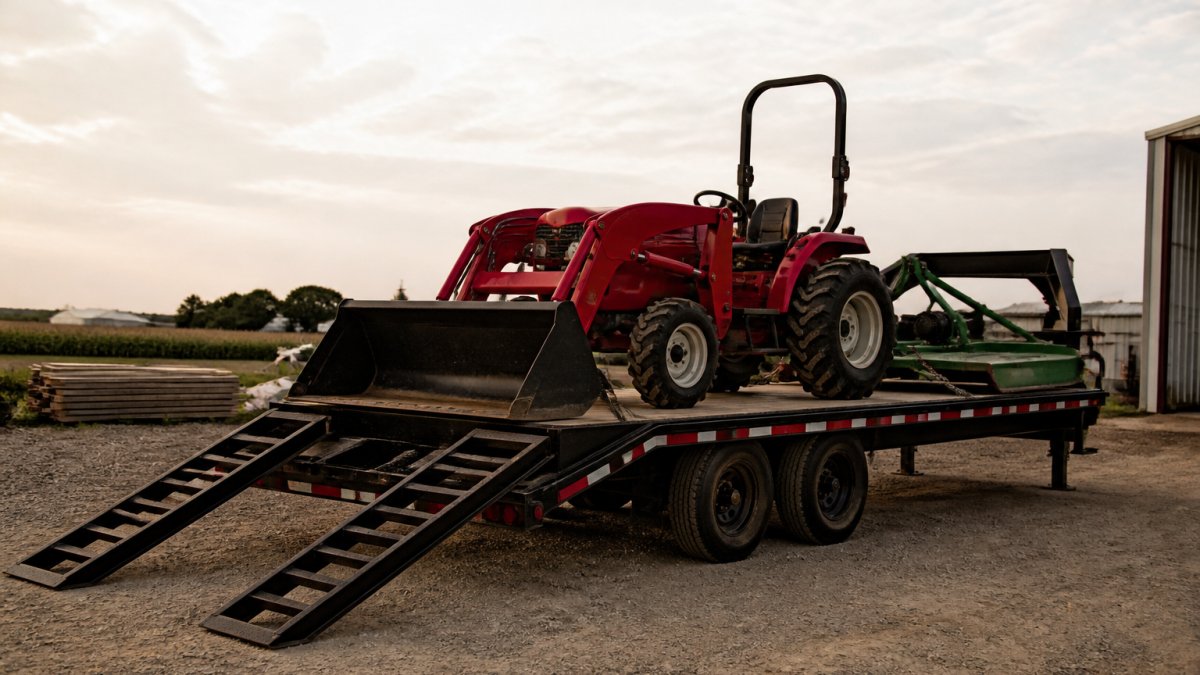
 Ultimate guide
Heavy Duty Trailer Pricing Guide: What Drives Cost
Table of Contents
- Heavy Duty Trailer Pricing Guide: What Actually Drives the Number
- Equipment Trailer Prices by Type, Capacity, and Condition
- Trailer Price Factors: The Specs That Move the Number Most
- New vs. Used Trailer Prices: Which One Makes Sense for Your Job
- Build Quality and Materials: Why Two Trailers With the Same Specs Cost Different
- Options and Features That Add Cost (and Which Ones You Can Skip)
- Trailer Financing for Bad Credit: What to Expect Before You Sign
- How to Compare Quotes and Spot Hidden Fees
- Frequently Asked Questions
Last Updated: October 16, 2026
Heavy Duty Trailer Pricing Guide: What Actually Drives the Number
Trailer pricing is the total cost of a trailer as built, delivered, and made ready for work, and it is set by a few specifications buyers can learn to read. In this heavy duty trailer pricing guide from DoubleTake Trailer Sales, we break down how to evaluate a quote line by line instead of comparing lump sums. Most dealerships quote a base price, then add freight, prep, and options, so two trailers that look identical can differ by thousands.
How to Read Any Trailer Quote
A trailer quote is a base price plus a list of add-ons, and the add-ons are where deals are won or lost. Ask for the quote in writing with each line itemized: base unit, axle configuration, GVWR, tire and wheel package, ramp or gate type, and any dealer fees. According to the Federal Trade Commission's guidance on motor vehicle financing and add-on products, buyers are entitled to clear disclosure of the terms they are agreeing to, including add-ons that are not required for the purchase.
| Quote Line | What It Tells You | Red Flag If Missing |
|---|---|---|
| Base unit | Frame, deck, and standard build | No build sheet provided |
| Axle setup | Load rating per axle | "Heavy duty" with no rating |
| GVWR | Legal loaded weight limit | No plate or sticker |
| Options | Doors, ramps, lights, tie-downs | Bundled into one vague line |
| Fees | Freight, prep, documentation | Fees quoted verbally only |
Equipment Trailer Prices by Type, Capacity, and Condition
Equipment trailer prices track type, capacity, and condition more than any badge on the side. A single-axle utility trailer and a tandem-axle equipment trailer are different machines with different cost structures, and used units swing widely based on maintenance. The matrix below puts cargo, equipment, dump, and car hauler categories on the same scale so you can see where a given capacity and condition lands before you call a dealer.
| Trailer Type | Typical Capacity Band | New Price Band | Used Price Band (5-10 yrs) | Primary Cost Driver |
|---|---|---|---|---|
| Single-axle utility | 2,000-3,500 lb GVWR | $1,800-$4,500 | $900-$2,400 | Frame gauge and axle rating |
| Tandem utility | 7,000 lb GVWR | $3,500-$7,500 | $1,800-$4,200 | Axle pair and deck length |
| Car hauler | 7,000-10,000 lb GVWR | $4,500-$9,500 | $2,500-$5,500 | Deck length, ramps, tie-downs |
| Equipment (tandem) | 10,000-14,000 lb GVWR | $7,000-$14,000 | $4,000-$8,500 | Axle rating, brakes, deck steel |
| Dump (tandem) | 10,000-14,000 lb GVWR | $9,500-$18,000 | $5,500-$11,000 | Hoist, cylinder, reinforced deck |
| Enclosed (tandem) | 7,000-10,000 lb GVWR | $6,500-$13,000 | $3,500-$7,500 | Walls, roof, ramp or barn doors |
What Moves a Trailer Within Its Band
Four levers push a trailer from the bottom of its band to the top:
- Axle rating. Stepping from a 3,500 lb axle to a 5,200 lb axle commonly adds several hundred dollars per axle, plus the brake package.
- Deck material. Treated wood is least expensive; steel diamond plate and aluminum decking each add cost, with aluminum carrying the largest premium.
- Gate and ramp type. A spring-assisted ramp gate costs more than a straight gate, and a full-width equipment ramp costs more than either.
Condition: How Much a Used Trailer Should Discount
A well-maintained used trailer typically sells for roughly half to two-thirds of the comparable new price, with the discount widening as tires, brakes, and decking near the end of their service life. A trailer with fresh tires, working brakes, and a sound deck is worth near the top of the used band; one needing all three should be priced near the bottom or walked away from.
Trailer Price Factors: The Specs That Move the Number Most
Trailer price factors come down to a short list: axle setup, GVWR, payload capacity, and physical dimensions. Get these four right and the quote makes sense; get them wrong and you either overpay for unused capacity or buy a trailer that cannot legally carry your load.
Axles, GVWR, and Payload Capacity
Axle configuration sets the ceiling on everything else. A single axle suits light utility work; tandem axles spread the load and are the norm for equipment and dump trailers. GVWR is the maximum loaded weight the trailer is rated to carry, including itself. Payload capacity is GVWR minus the trailer's own weight, the number that matters when you load a machine.
Size, Length, Width, and Interior Height
Size drives material cost, and material cost drives price. A longer deck means more frame, more decking, and often a heavier axle package. Width affects stability and whether equipment fits between the fenders. Interior height matters most on enclosed trailers: taller walls cost more and change towing. Decide dimensions from the load, not from what is on the lot.
New vs. Used Trailer Prices: Which One Makes Sense for Your Job
New versus used trailer prices is a trade between certainty and capital, but the purchase price is only the first line of the budget. The gap most pricing guides leave open is total cost of ownership: registration, insurance, maintenance, tires, repairs, and resale value over the years you own it. A cheaper used trailer with worn tires and a soft deck can cost more over five years than a new one at a higher sticker.
The Costs Beyond the Sticker
| Cost Category | New Trailer | Used Trailer | Notes |
|---|---|---|---|
| Purchase price | Full retail | Roughly half to two-thirds of new for a well-kept unit | Discount widens with wear |
| Registration and titling | Required in most states | Required in most states | Fees vary by state and by trailer weight |
| Insurance | Often required if financed | Often required if financed | Premiums scale with value and use |
| Tires | Covered by warranty period | Often the first replacement | Check the DOT date code, not tread |
| Brakes and bearings | Covered by warranty period | Common first-year service item | Repack bearings and inspect brakes on any used purchase |
| Decking | New | Frequently soft or rotted | Replacement can run into four figures on a large deck |
| Resale | Depreciates from new | Already depreciated | A maintained trailer holds value well |
How to Run the Five-Year Math
A simple way to compare: add the purchase price to the estimated five-year cost of tires, brakes, bearings, deck repair, registration, and insurance, then subtract expected resale value. A new trailer starts higher but usually needs less in the first five years and resells for more. A used trailer starts lower but often absorbs a tire set, brake service, and possibly deck work in the first year or two.
When Each Path Wins
- New makes sense when the trailer is a working asset, downtime is expensive, and you plan to keep it long enough for the warranty and lower early maintenance to pay off.
- Used makes sense when the trailer is used occasionally, you can inspect it cold, and you have budgeted for the tires, brakes, and deck work it will likely need.
- Either way, confirm the axle rating, GVWR, and empty weight before you commit, and get the out-the-door number in writing. The purchase price is the start of the cost, not the end.
Inspect the frame for cracks and rust, check tire dates, test the lights and brakes, and look at the deck for soft spots. If the seller will not let you inspect it cold, walk away.
Build Quality and Materials: Why Two Trailers With the Same Specs Cost Different
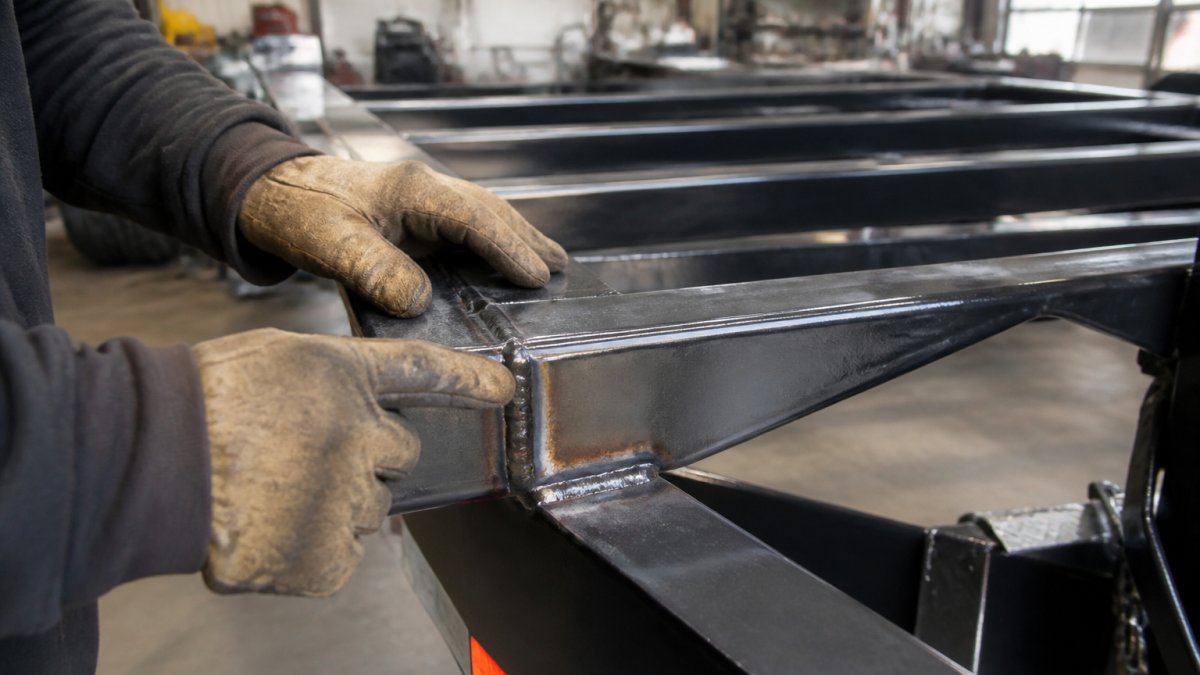
Build quality and materials explain why two trailers with identical spec sheets carry different prices. Frame gauge, weld quality, deck material, and finish decide how long the trailer lasts and what it costs to build.
Options and Features That Add Cost (and Which Ones You Can Skip)
Options and features are the easiest place to inflate a trailer price, and the easiest place to save. Add what your job requires and skip the rest. Ramp gates, spare tire mounts, extra lighting, tie-down tracks, and upgraded jack stands are common add-ons. If you haul a machine daily, a proper ramp is not optional; if you haul light loads twice a month, you may not need the premium package.
- Ramps and gates: essential for equipment, optional for loose material
- Lighting upgrades: worth it if you work early or late
- Tie-down tracks: high value for varied loads
Trailer Financing for Bad Credit: What to Expect Before You Sign
Trailer financing for bad credit is possible, but the terms change. Lenders weigh credit history, down payment, and the trailer itself as collateral, and a weaker credit profile usually means a larger down payment or a shorter term. The Consumer Financial Protection Bureau's resources on installment loans explains how to compare the full cost of a financing offer rather than the advertised monthly figure.
How to Compare Quotes and Spot Hidden Fees
Comparing quotes is a line-by-line exercise, and hidden fees break the comparison. Put every quote on the same sheet: base unit, axle setup, GVWR, options, freight, prep, documentation, and taxes, then total them. A lower sticker with a large prep fee is not a lower price.
- Request an itemized written quote from each seller
- Confirm the axle rating, GVWR, and empty weight
- List every option and whether it is included or added
- Ask for freight, prep, and documentation fees separately
- Compare the out-the-door total, not the advertised price
- Verify the build sheet matches the trailer you inspected
Buying a heavy-duty trailer is a specification decision, and the price only makes sense once you know what you are buying.
Frequently Asked Questions
What factors affect heavy-duty trailer prices the most?
The biggest trailer price factors are axle configuration, gross vehicle weight rating (GVWR), and overall size. A tandem-axle 7,000 lb GVWR trailer typically costs more than a single-axle 3,500 lb unit because of added steel, brakes, and suspension. Build quality, construction materials, and options like ramps, spare tires, and lighting packages also move the number. Condition matters too: a used trailer with worn tires or rusted cross members will price lower than a clean one with documented service history.
Is it cheaper to buy a new or used heavy-duty trailer?
Used trailers carry a lower purchase price, but the gap narrows once you factor in tires, brakes, bearings, and possible frame repairs. A used trailer with unknown service history can cost more over five years than a new one under warranty. New trailers give you a known GVWR, fresh wiring, and a clear title. If you need the trailer on a job site next week and cannot absorb downtime, new usually wins. If you have time to inspect and a mechanic you trust, used can work.
What financing options are available for a heavy-duty trailer?
Most dealerships offer traditional installment loans through banks or credit unions, plus in-house financing for buyers with credit challenges. Trailer financing for bad credit often means a higher down payment, a shorter term, or a higher rate. Some dealerships run no credit check programs with larger down payments. Ask what documents you need, whether there is a prepayment penalty, and what the total cost of the loan will be, not just the monthly payment.
How do trailer size and payload capacity affect the price?
Length and width drive material cost directly: a 20-foot trailer uses more steel, more decking, and more wiring than a 16-foot model. Payload capacity follows the axle and frame rating. Moving from a 7,000 lb GVWR tandem axle to a 14,000 lb setup adds heavier axles, brakes on both axles, and a stronger tongue, which raises the base price. Interior height on enclosed trailers adds wall and roof material, so an 8.5-foot-tall enclosed trailer costs more than a 6-foot model.
Why do local dealership prices differ from online trailer listings?
Online listings often show a base price that excludes freight, assembly, title work, and delivery. A local dealer quote usually bundles those costs and includes a walkthrough, warranty support, and a parts department you can visit. Regional market conditions also play a role: freight costs, local demand, and dealer inventory levels shift pricing. Always compare the out-the-door total, not the advertised number, and ask what is included in writing before you commit.